
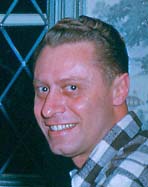
Featured Artist – George Klein
This one is gong to be slightly different from our usual FA. It’s different because this is bit more personal. See, on the phone, the other day James Robinson (humblebragmuch?) and I were talking about future projects together and he was very complimentary about my inkwork and he compared me to George Klein. In all honesty, I did not know who he was talking about. Which upset me. Why? Because, as you can see with most of our blogposts here we have a fondness for what came before us. We are keenly aware of the shoulders we stand on and have great respect for them.
So, NOT knowing, quickly, someone who came before me felt…wrong.
So down I dove down the rabbit hole I went and WOW was I surprised.
George D. Klein (c. 1915 or 1920 – 1969) was an American comic book artist and cartoonist whose career stretched from the 1930s and 1940s’ Golden Age of comic books until his death in 1969. He was best known as an inker for DC Comics, where he was an integral part of the Superman family of titles from 1955 to 1968, and for Marvel Comics, where he was the generally recognized, uncredited inker on Jack Kirby’s pencil art for the landmark comic book The Fantastic Four #1.
See what I mean? And he didn’t stop there.
Klein attended the Kansas City Art Institute and New York’s Cartoonists and Illustrators School. At Timely Comics, Klein was both a penciler and an inker, initially on superhero features. He was among the pencilers of the super-speedster the Whizzer, in All Winners Comics #8–9 (Spring-Summer 1943). He had inked that early Marvel character, over Mike Sekowsky’s pencils, as early as All Winners #3. Klein also worked on the characters Miss America (inking the premiere issue in 1944), the Young Allies, the Black Marvel, the Golden Age Black Widow, the Defender, and, under the pseudonym Nick Karlton, the Challenger. Klein found himself more utilized, however, in what was called Timely’s “animator” bullpen, which created such movie tie-in and original talking animal comics as Mighty Mouse and Animated Funny Comic-Tunes.
Because he was on staff, Klein frequently did not sign his artwork – a typical though not ironclad industry habit at the time – making it difficult to assess his Golden Age output.
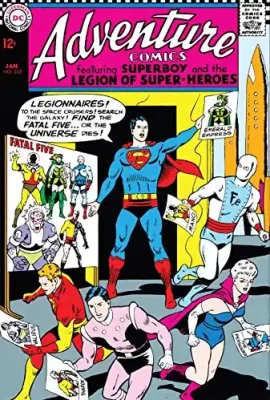
In the post-war era, Klein drew for a variety of publishers. For DC Comics, nearly ten years before teaming with penciler Curt Swan on various Superman titles, Klein inked him on a “Boy Commandos” story in World’s Finest Comics #21 (March–April 1946).
I went and picked a few of those issues, because we are HUGE fans of Curt Swan’s. Honestly, for the time, they were beautifully illustrated. As much as I love Al Williamson and his inking over Curt, George’s work was slicker, cleaner and simply stunning to read.
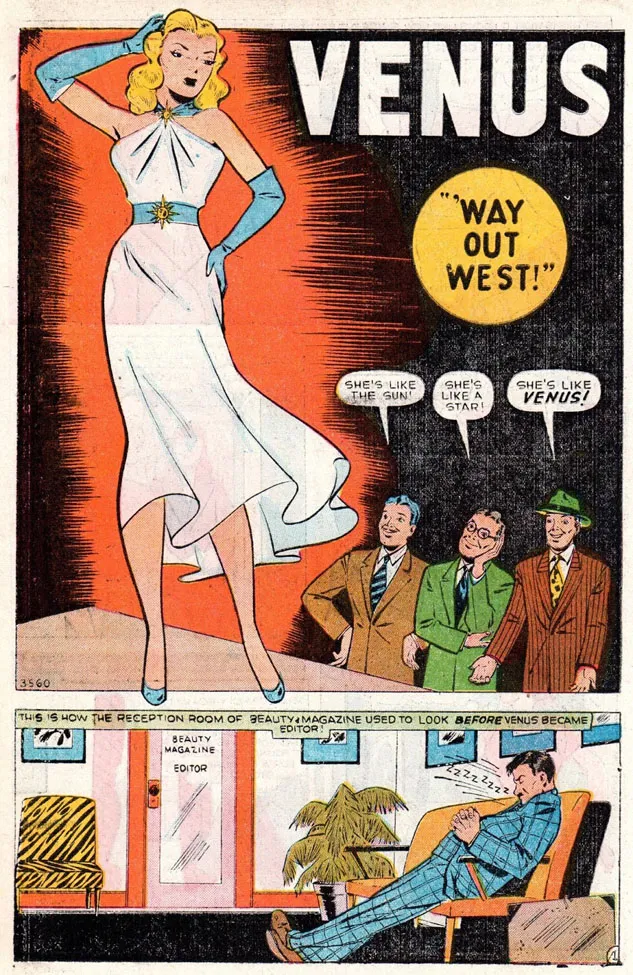
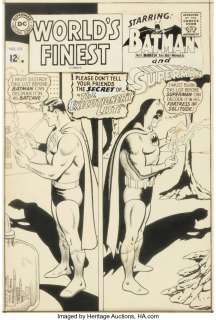
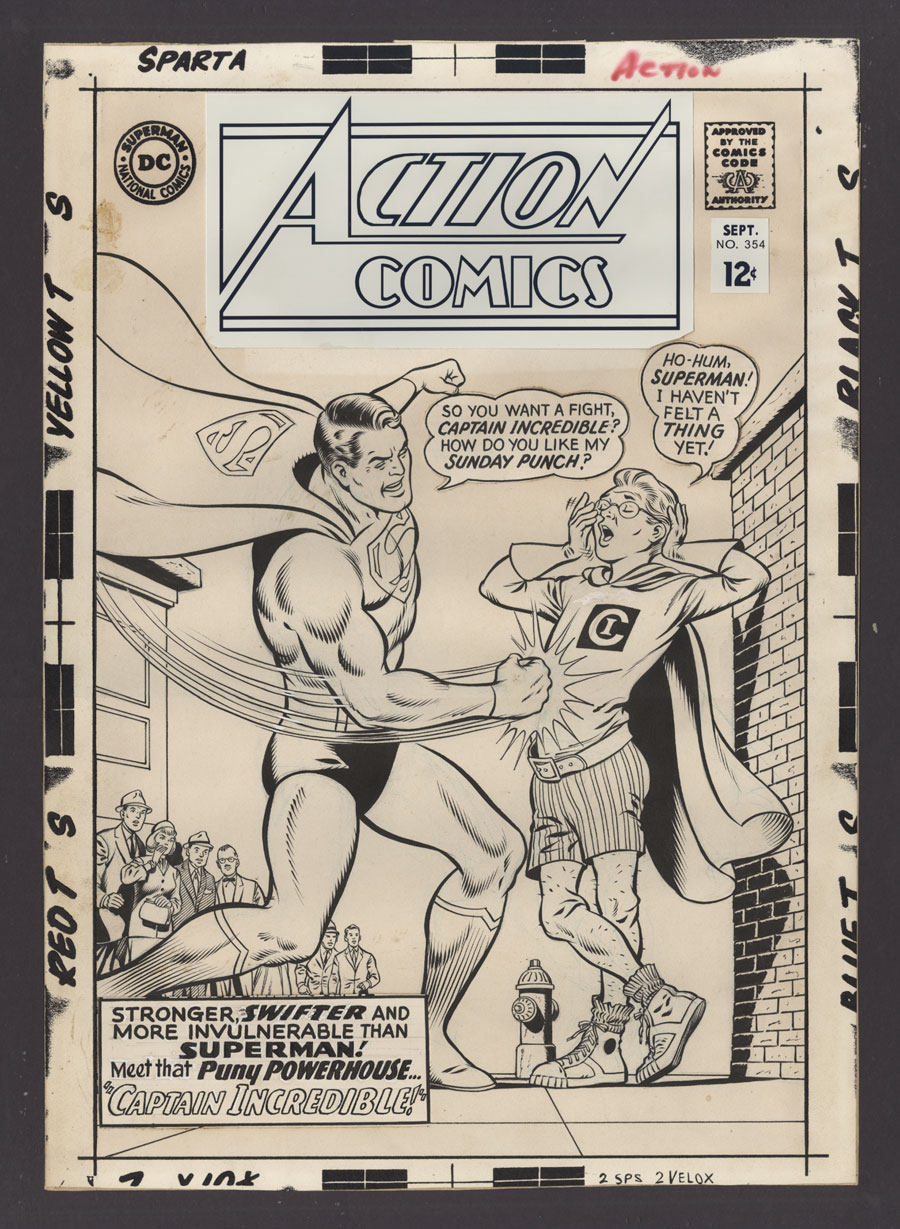
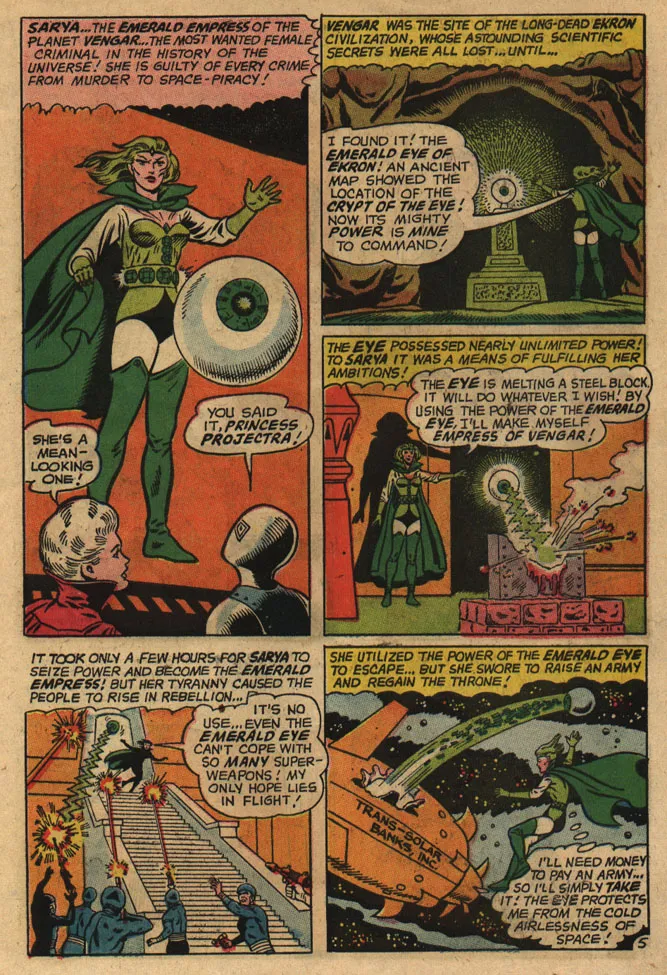
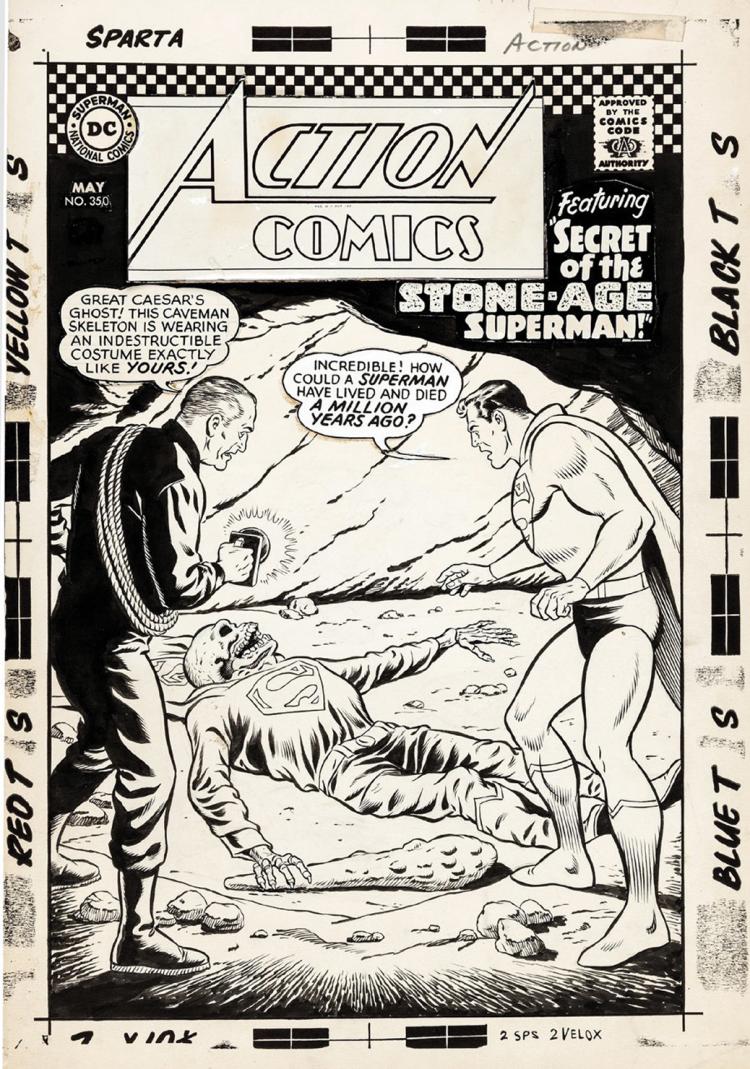
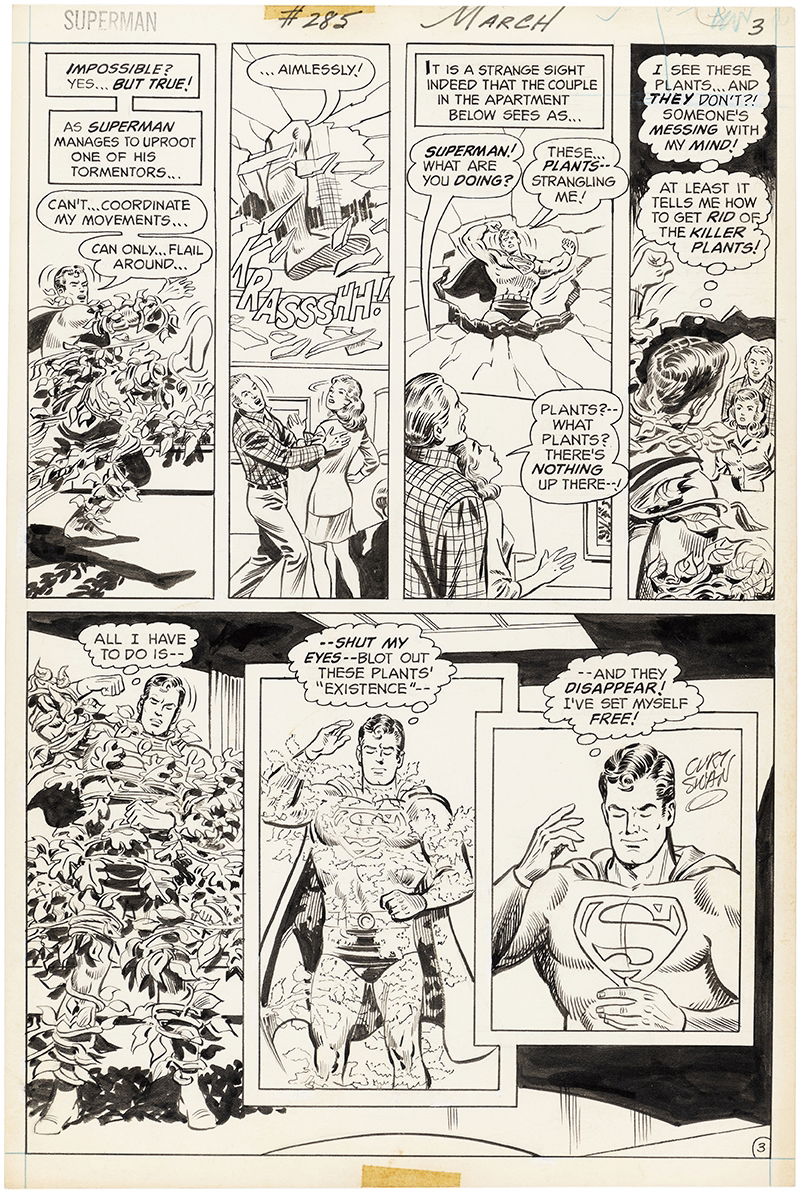
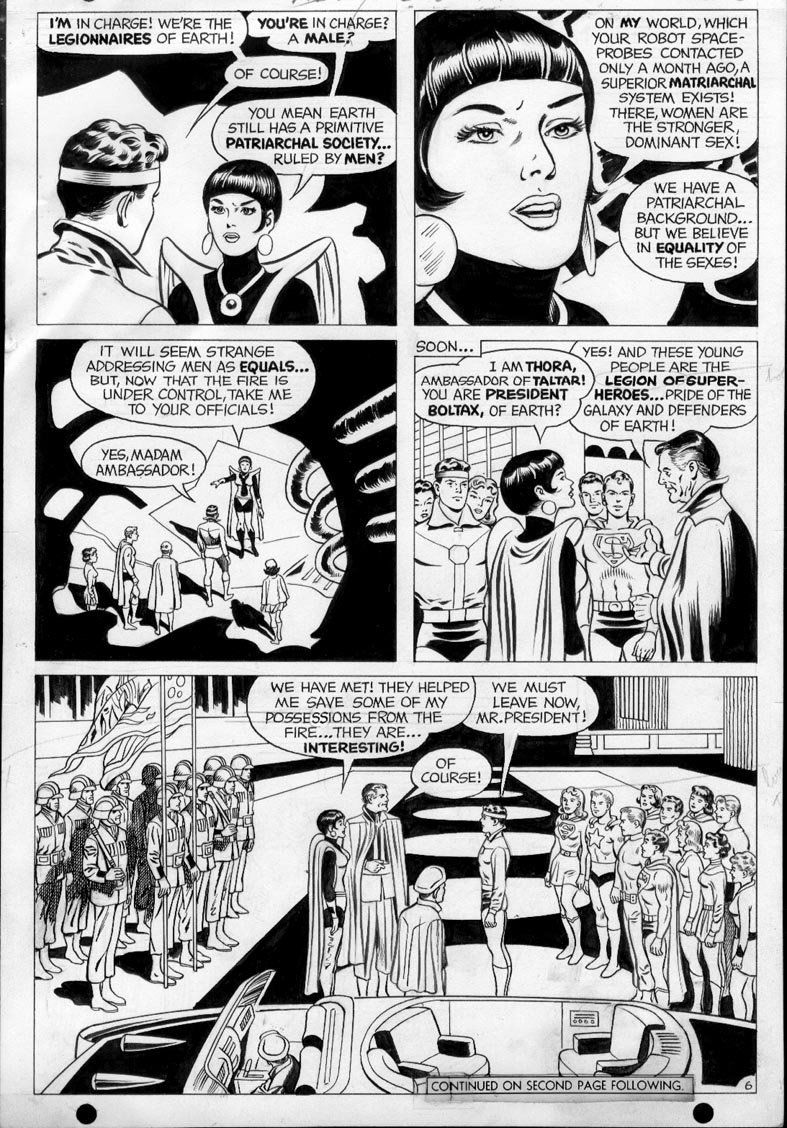
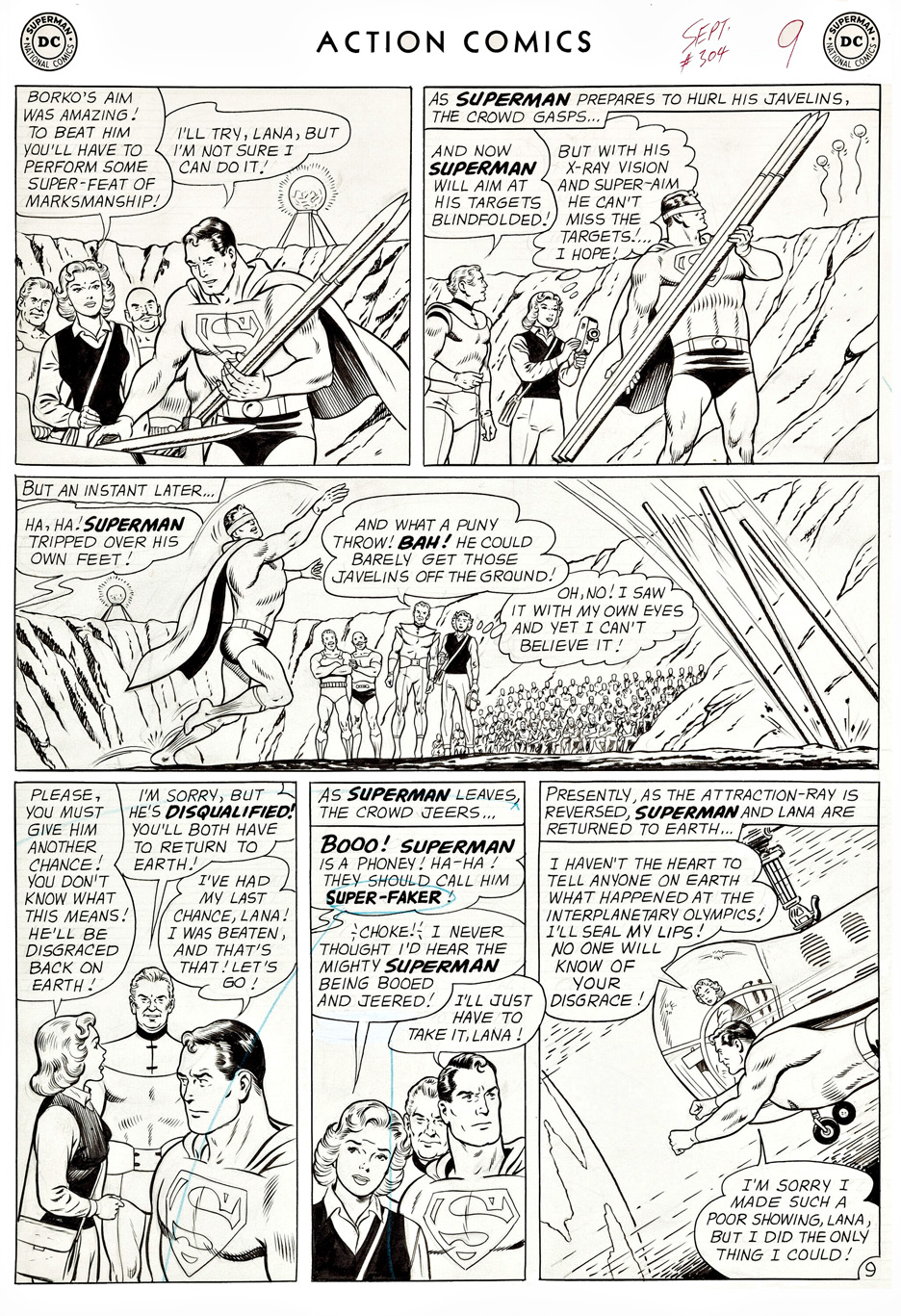
There is a wonderful article about George over here that I’m going to pull a few quotes from.
“Klein set new standards for his craft with his razor-crisp brushline, which brought new dimensions to the art of Curt Swan, the penciler with whom Klein was most frequently paired. Together, Swan and Klein defined for years to come the look of Superman and his cast of characters; to this day , most Legion of Super-Heroes aficionados consider Swan and Klein to be the all-time finest Legion art team.”
-From writer & editor Mark Waid’s bio of George Klein written for the Legion Archives
From there, George went to work at Marvel. There, I learned, that it has been a mystery for some time about who inked Jack Kirby’s first two issue of Fantastic Four. Folks smarter than me have come to the conclusion that it was indeed, George Klein.
Longtime Marvel editor Tom Brevoort offers up this theory:
“I would also conjecture that perhaps the choice of George Klein to ink these early issues–if indeed he was the inker as is generally believed today–was to try to give them more of a super hero feel than Kirby’s monster or romance or western work. Klein at the time was inking Curt Swan on Superman, and you really can’t get a more classic super hero finish than that.”
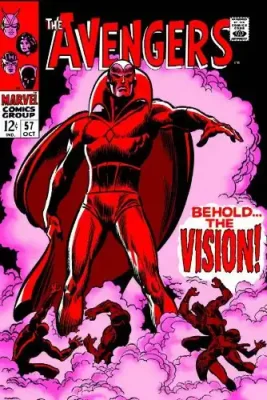
Klein then became one of Marvel’s most high-profile inkers in the short time before his death. He embellished John Buscema on a run of The Avengers; Gene Colan on issues #46-49 off that penciler’s signature series, Daredevil; and, in his last assignment, Jack Kirby on Thor #168–169 (I have a that issue!). Among the Silver Age issues he inked were the Avengers stories that introduced the Vision, Yellowjacket (Hank Pym), and the Clint Barton Goliath, and another with the marriage of Hank Pym and the Wasp, Janet Van Dyne; “Brother, Take My Hand” in Daredevil #47 (Dec. 1968), cited by Stan Lee as one of his favorites among the comic-book stories he wrote; and the cover and interior of one of Barry Windsor-Smith’s first U.S. comic books, Daredevil #51 (April 1969).
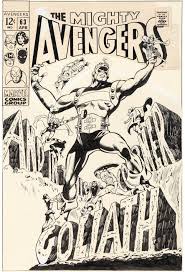
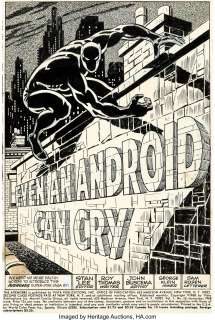
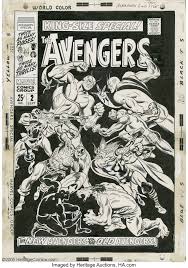
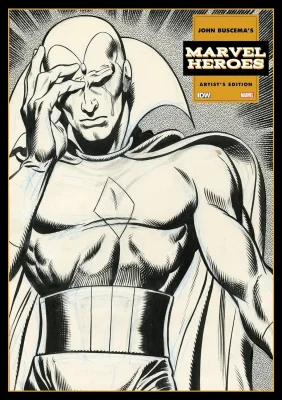
I pulled out my John Buscema to look up and see if there were any George Klein pages in there…. and yes. There were. Most of which blew my mind.
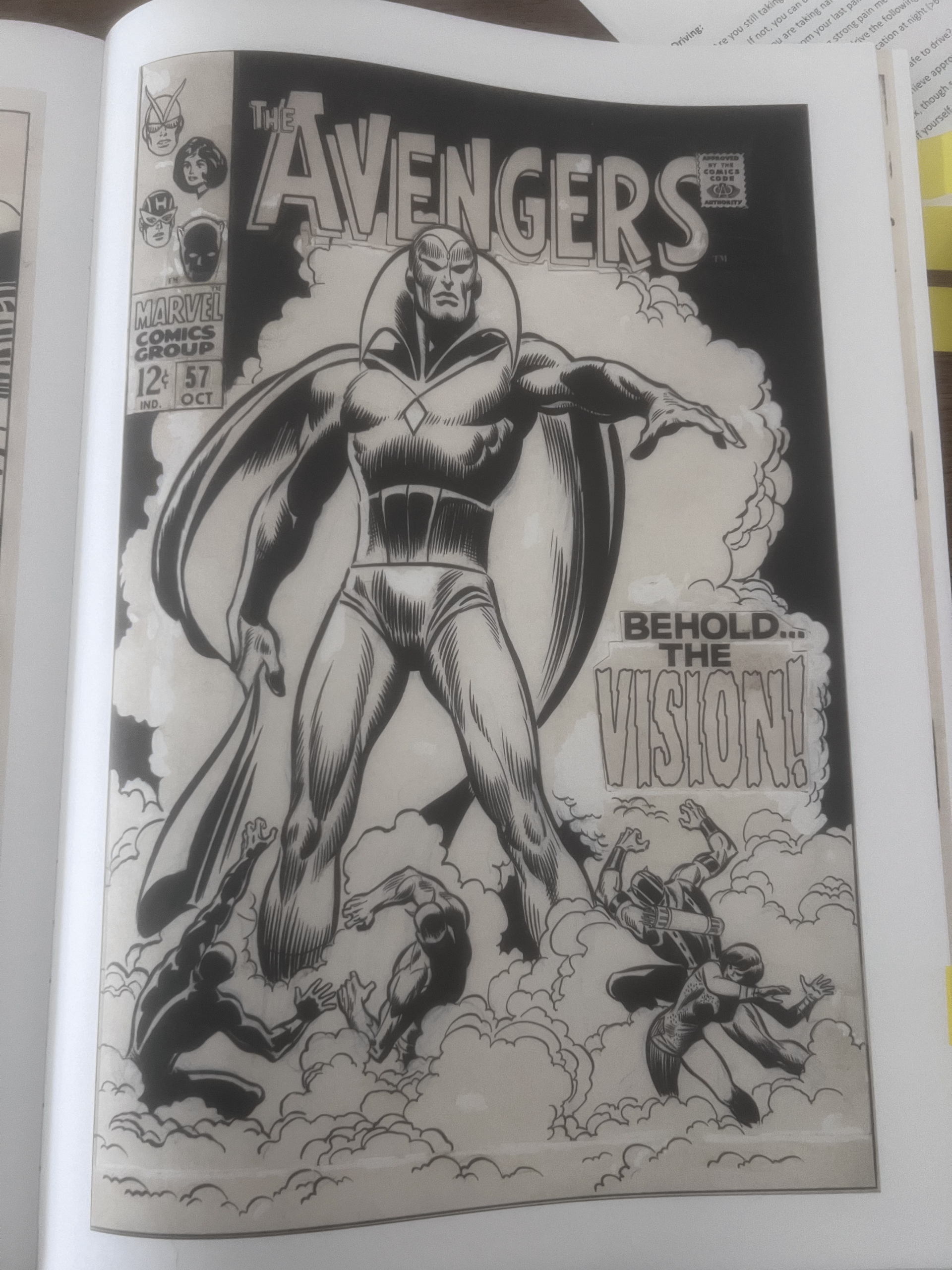
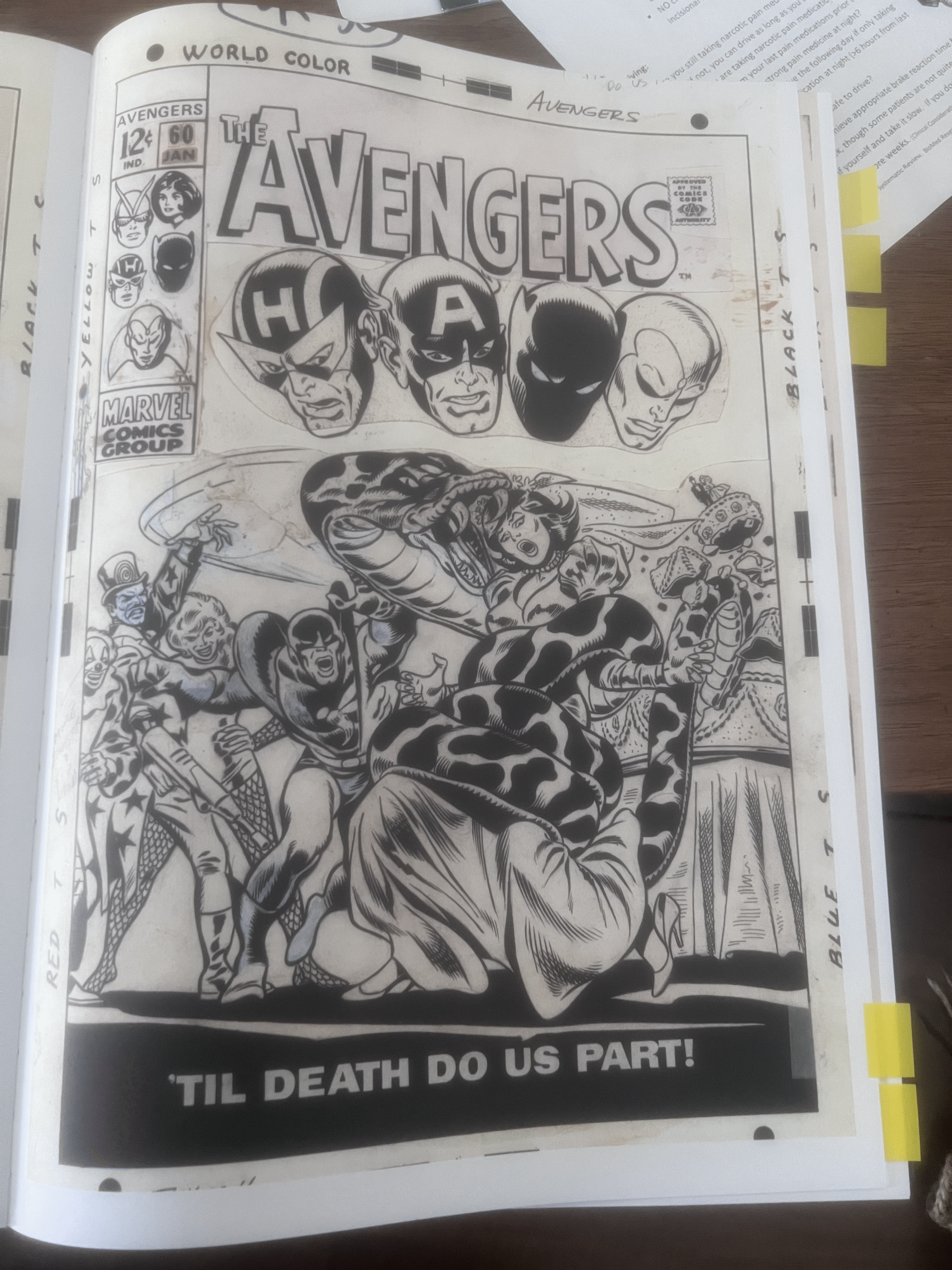
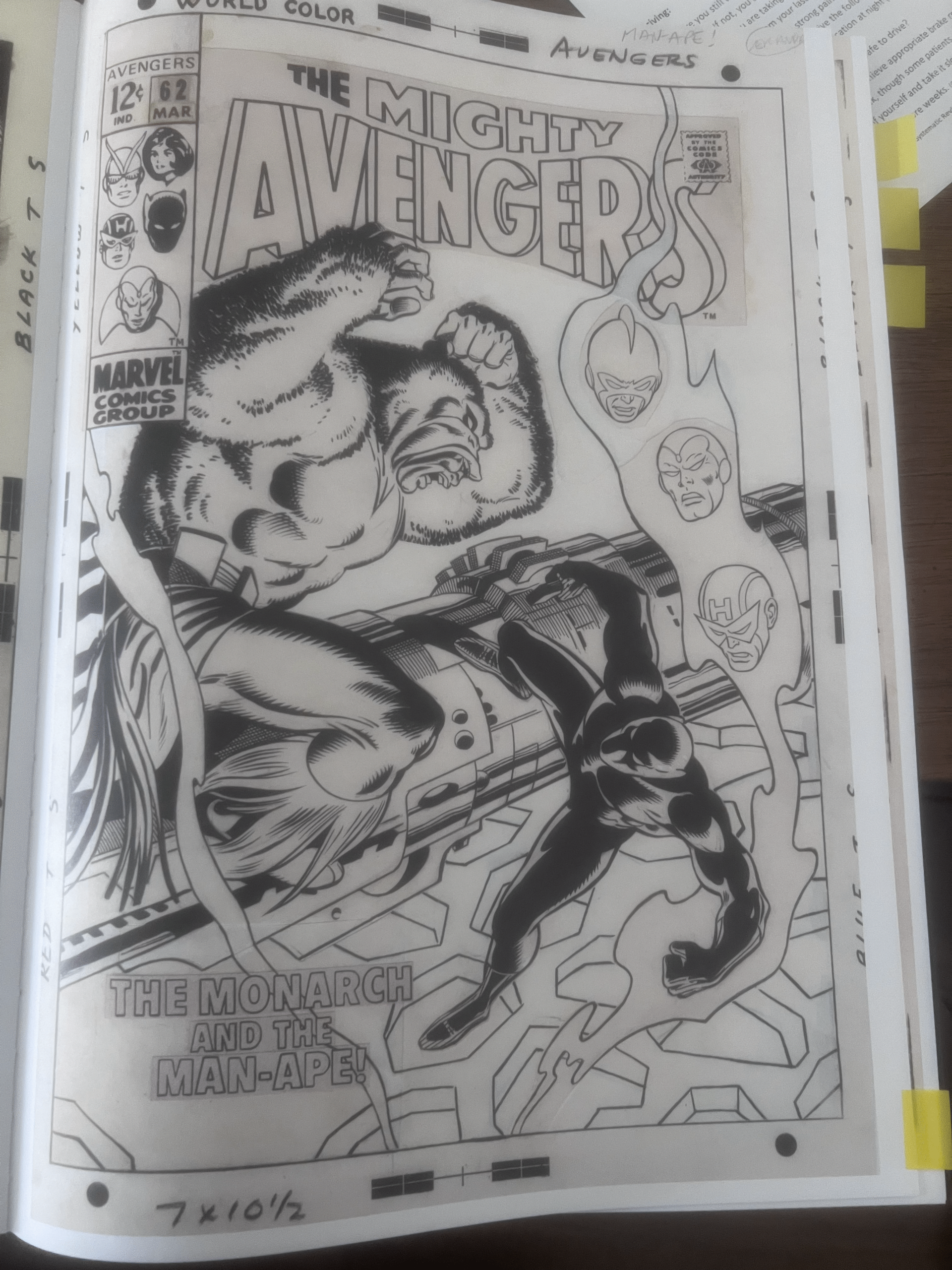
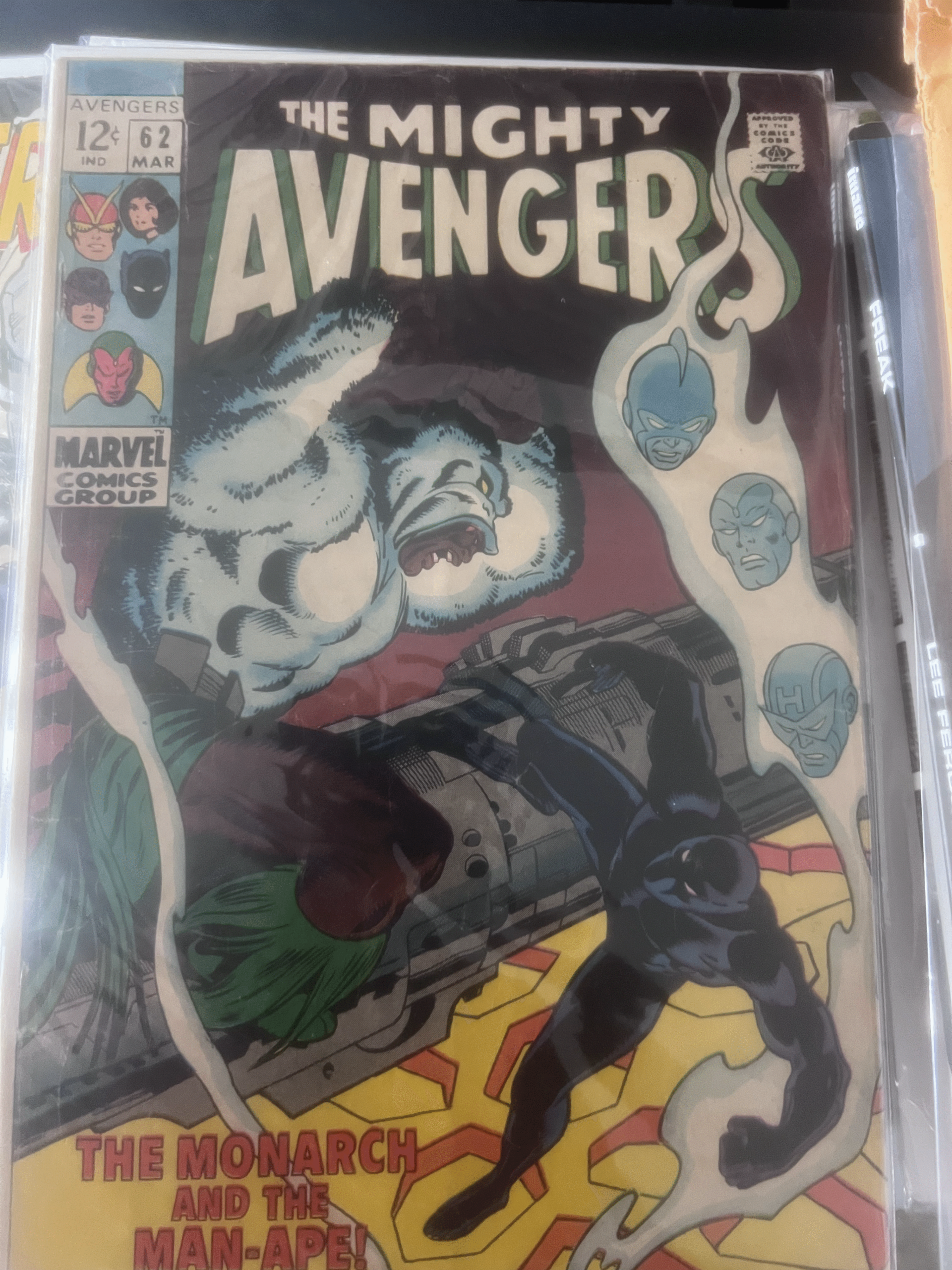
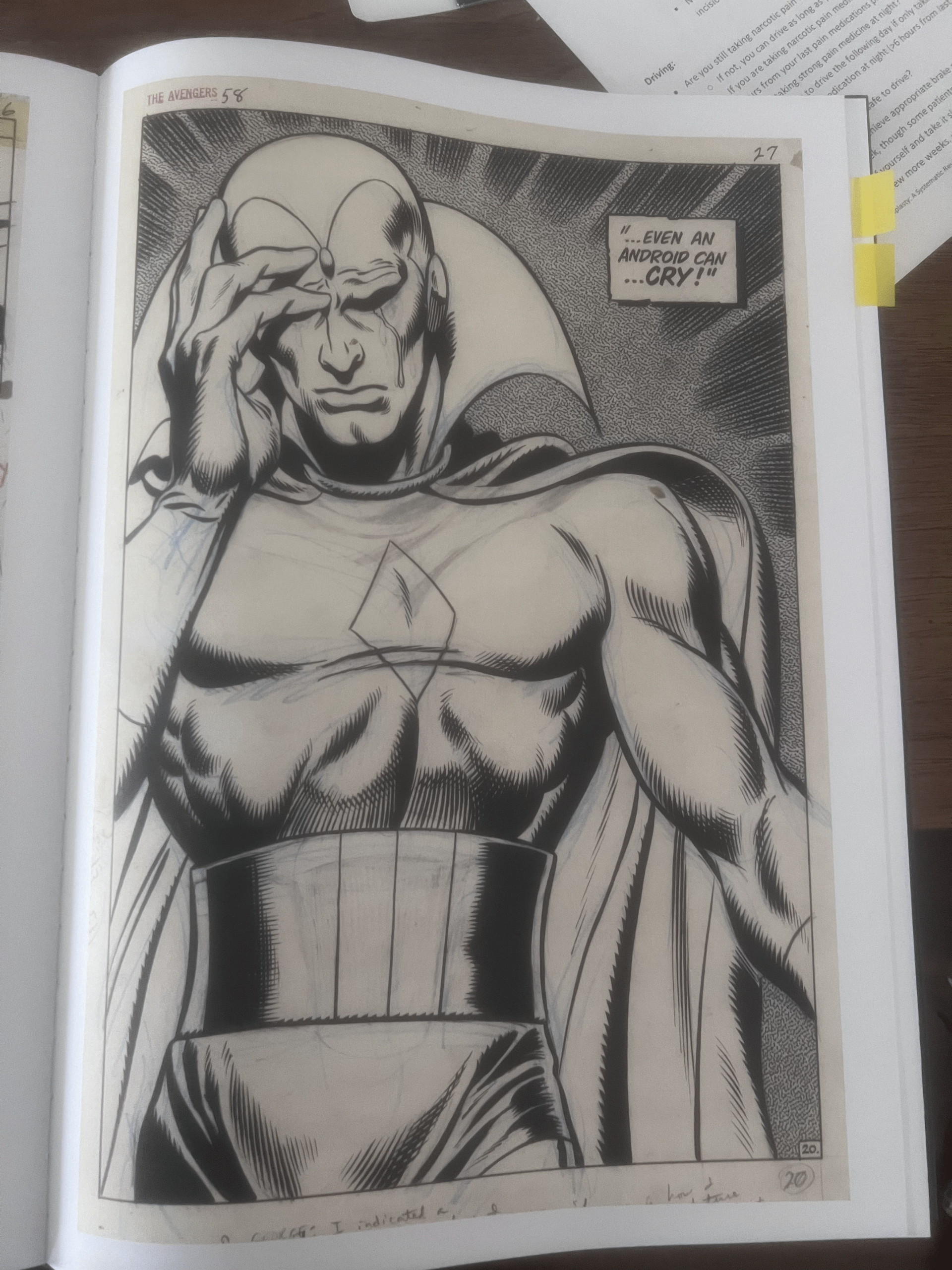
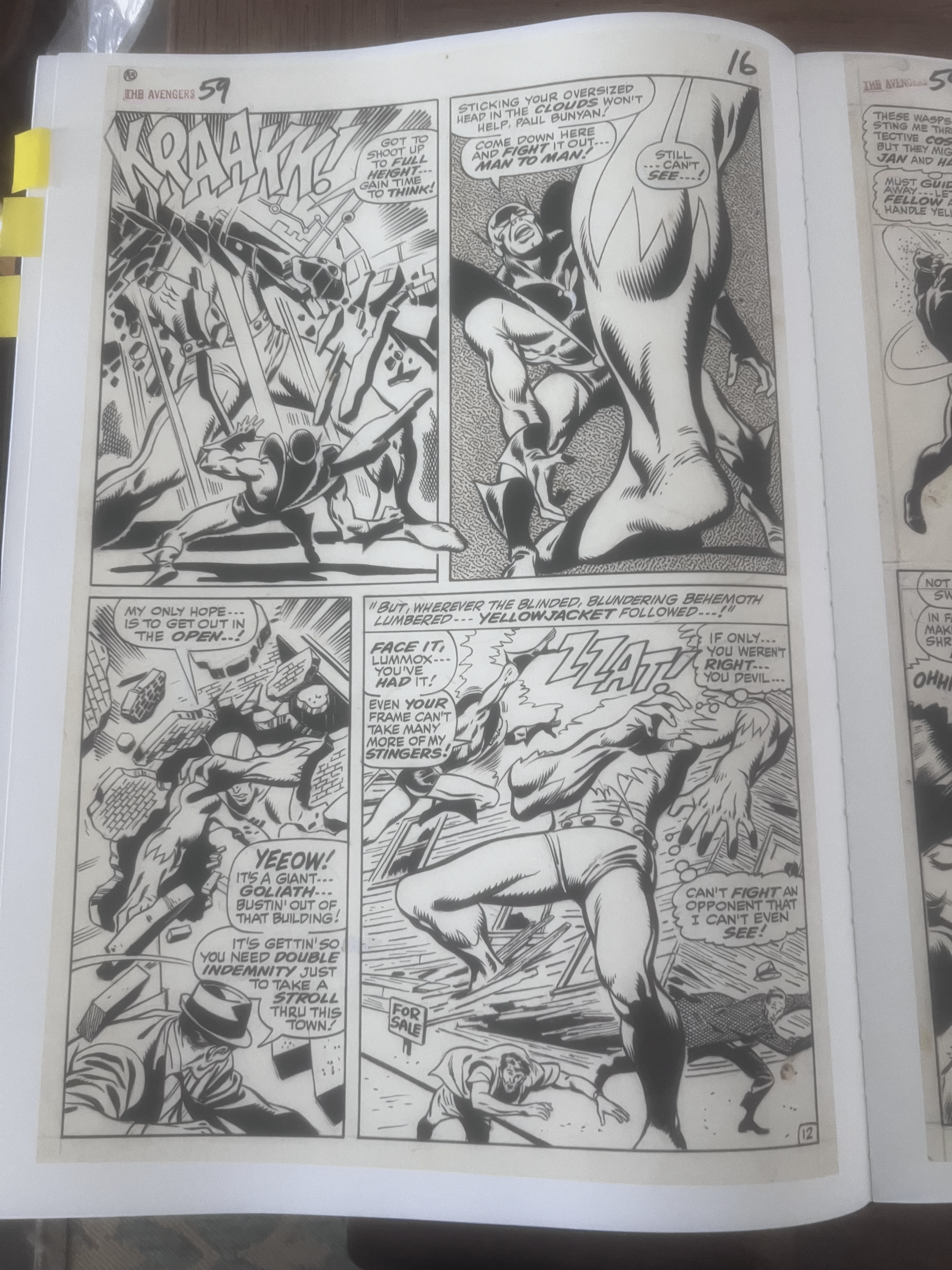
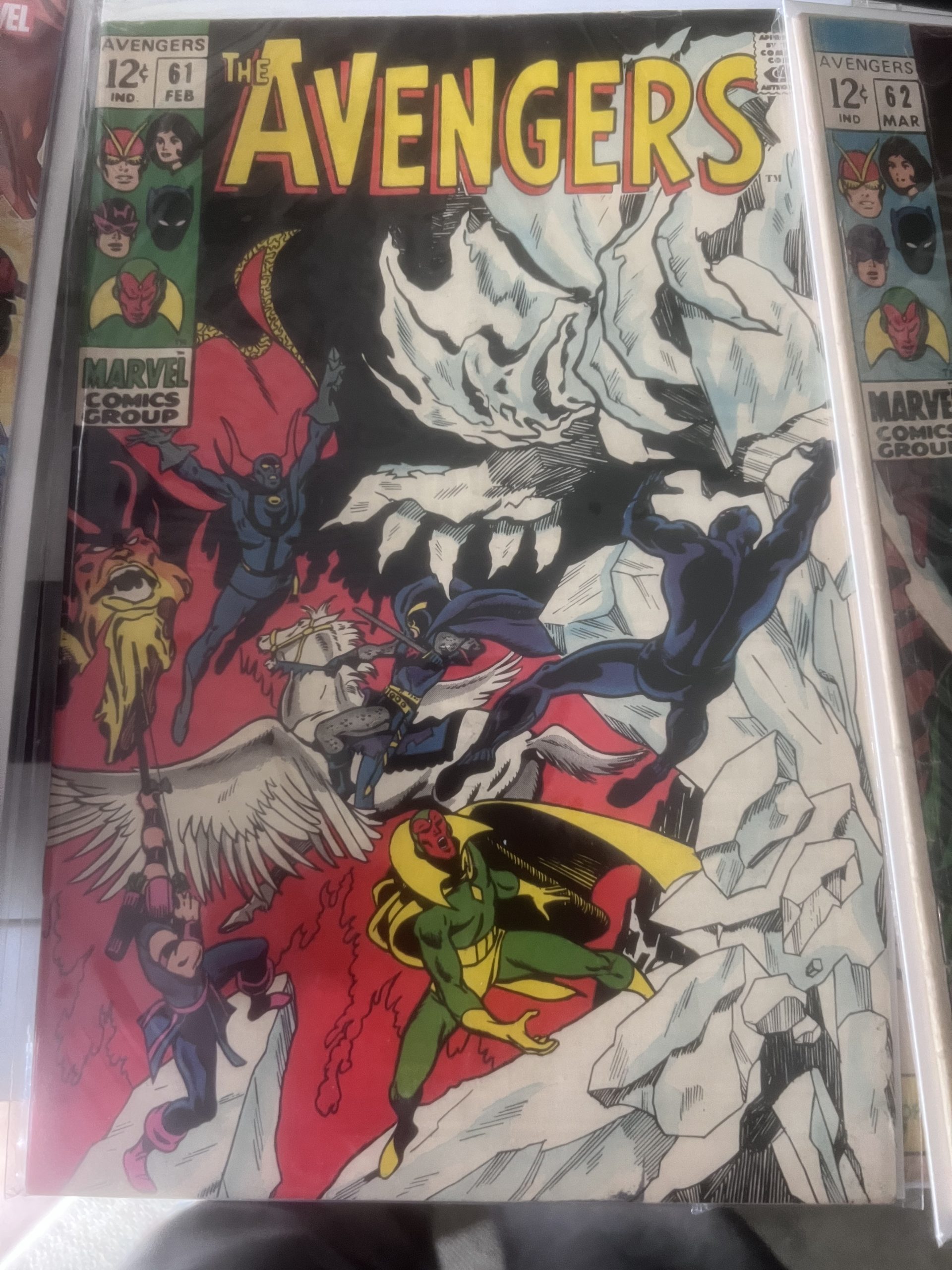
Astounding right? The stories he did were some incredibly important ones. Ones that have definitely influence what we know as the MCU nowadays.
Klein died of cirrhosis of the liver, six months after getting married in 1969.
Oh, what could have been. Tom Palmer and Joe Sinnot came to become Marvels other 2 high-profile inkers, and rightfully so, their work was…IS… incredible. But just imagine what kind of work we could have gotten from George had he continued.
The comparison to his work honors me deeply. I only hope I can live up to that kind of legacy.